
Debate Continues Over 64-Team World Cup Format as FIFA Puts Plans on Hold
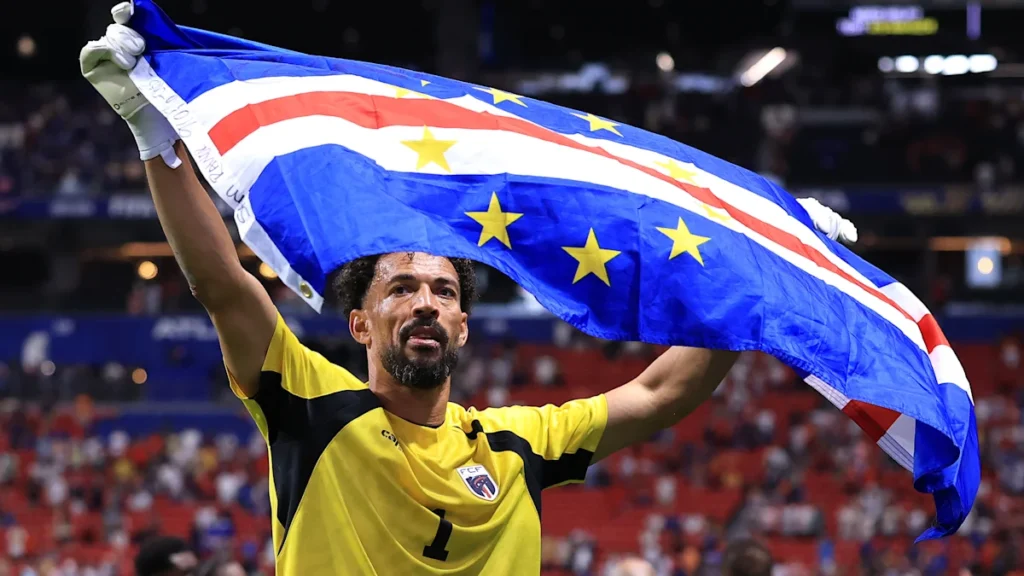
In the final moments of a tense match in Chillán, Ñublense pushed for a dramatic equalizer. With the clock ticking away in the 97th minute, the goalkeeper, 40-year-old Josimar Dias, made a crucial diving save to secure Colo-Colo’s 2-1 victory and clinch the Chilean title. Just months ago, however, few outside of Cape Verde recognized his name. Following an impressive World Cup run that saw Cape Verde narrowly lose to Argentina after extra time, Dias emerged as a celebrated figure in football. This moment serves as a vivid reminder of the World Cup’s unparalleled ability to create unique narratives.
Advertisement
Historical moments like this continue to fuel the conversation surrounding the potential expansion of the World Cup to a 64-team format. Recently, FIFA decided to put these plans on hold, offering a pause for discussion at a time when national teams worldwide compete in various tournaments.
Advertisement
Across the globe, national teams are currently involved in competitions such as the Nations League in Europe and qualification matches for the Africa Cup of Nations. Many teams, unfamiliar with the World Cup stage, wonder if this reality should change. South America has expressed a strong desire for expansion. Following the 2026 tournament, CONMEBOL president Alejandro Domínguez tweeted that the 2030 World Cup could be an opportunity to host a 64-team competition to commemorate the centennial of the tournament. He insisted that increasing participation fosters football development and transforms the World Cup into a true global celebration.
Evaluating the 48-Team Format
The impact of the 48-team format has been a hot topic, with mixed reviews reflected in the numbers. The last tournament saw a total of 215 goals scored in the group stage, with an average of 2.99 goals per match— the highest since the 1950s. However, the BBC’s analysis highlighted a rise in lopsided matches. In the 2022 tournament, only five matches ended with a winning margin of three goals or more, while in 2026, this number climbed to 18. As a result, some question whether the increase in team numbers leads to more entertaining or more one-sided matches.
Advertisement
African teams particularly boosted arguments for expansion, with nine of ten making it to the knockout stages, up from the previous record of just two. Despite this success, four of the nine advanced only as the best third-placed teams, and Japan and Australia were the only representatives from Asia to reach the knockout rounds.
Imagining a 64-Team Scenario
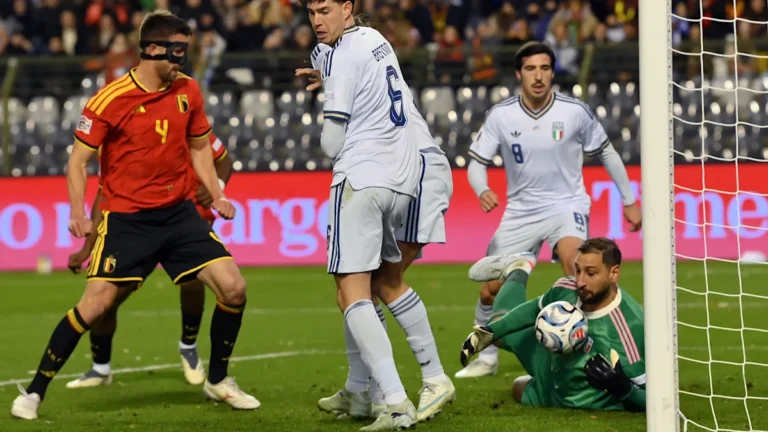
If a 64-team format had been applied to the upcoming tournament in North America, several notable teams would have qualified, such as Italy, which missed its third straight World Cup. Leonardo Spinazzola lamented the impact this absence has on young fans. Similarly, Denmark and Poland fell short in playoffs, along with Nigeria and Cameroon from Africa. The inclusion of teams like Georgia, represented by the talented Khvicha Kvaratskhelia, would enhance the tournament’s competitiveness.
Advertisement
Considerations in Format Changes
The structural changes in this hypothetical expansion add another layer to the conversation. A format with 16 groups varying from the previous 48-team model would only allow two teams to advance from each group, with champions playing eight matches—equivalent to the current 2026 format. This would eliminate complications surrounding third-place advancements. The 2026 tournament saw two-thirds of teams progress, while a 64-team format would only allow half, intensifying competition.
Concerns Over Expansion
Despite some arguing in favor of the expansion, significant concerns remain. Jürgen Klopp, the national team coach recently appointed by the German Football Association, voiced his reservations about the increased number of matches impacting players. An analysis from the FIFPRO players’ union noted that the workloads of top players have already exceeded recommended limits. Though the CIES sports research institute found no definitive evidence of increased workloads, the prospect of 128 World Cup matches instead of 104 raises logistical and environmental issues, as the 2030 tournament is set to occur in six countries across three continents.
A Broader Discussion on World Cup Accessibility
Ultimately, the ongoing debate extends beyond mere numbers; it encompasses the philosophy of football’s greatest tournament. The question remains: should the World Cup serve as an exclusive event for the elite or as a festival for global participation? While the 48-team format has reassured skeptics, it has also sparked discussions about the balance between inclusivity and competitiveness.
Advertisement
Perhaps somewhere in Cape Verde, a teenager was inspired by the sight of a local goalkeeper thrilling audiences with his performance. In the future, that teen might aspire to don his country’s national jersey at a World Cup, contributing to the spirit of football that transcends borders. How vast that opportunity should be remains a vital conversation to embrace, especially now that the urgency for decisions has subsided.